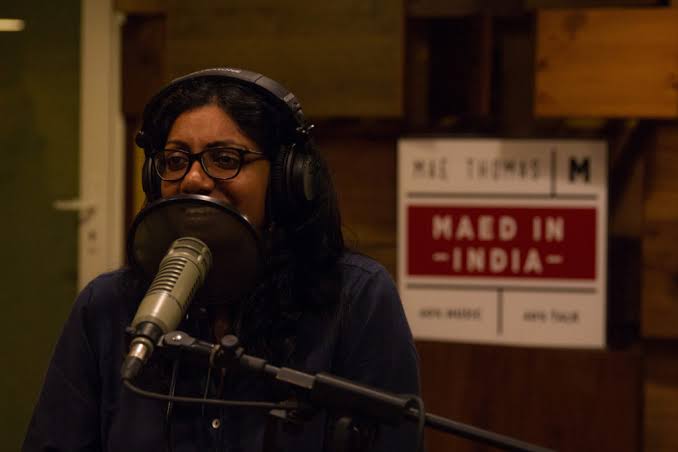
“… I always say, I’m a fangirl – an indie girl doing an indie show about indie music. ”
Mumbai, Nov 30th 2019:
Influential. Enthu-cutlet. Audiophile.
These are just some of the few words that describe Mae Thomas, the proud Founder of ‘India’s Successfully Running Music Podcast Series – Maed in India’. I bet you there are more in the dictionary! Mae has been actively involved in the Indian music scene since her journey as a Radio Presenter-Music Journalist-Creative Director to the Founder of the weekly show which is now expanding its avenues to a larger audience.
Maed in India features some of India’s finest indie musicians that are unheard of or least to say, unnoticed. The show focuses their attention on highlighting ‘raw young sounds’ resonating from the country.
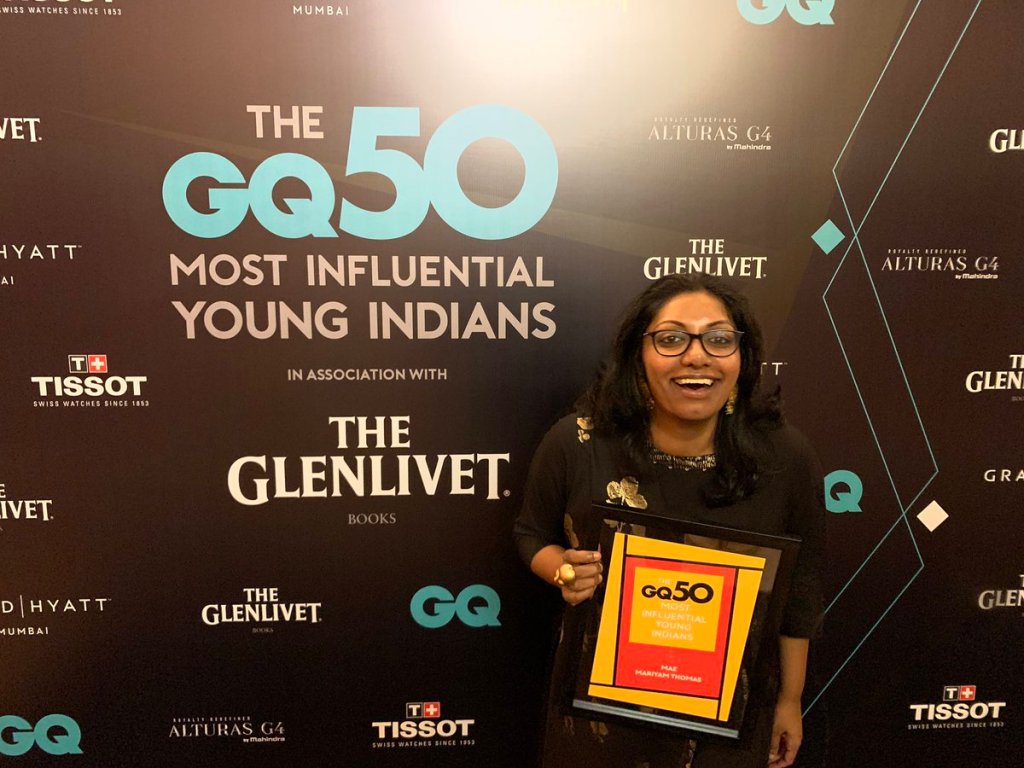
Just this month, GQ India enlisted and presented this bubbly-polymath with the “The Most Young Influential Indian” award among other laureates for her contribution and dedication in leading and improvising India’s music scene. Mae was super excited to share with me some amazing bites of her journey.
1. Firstly, congratulations for winning the “Young Influential Indian” award amongst many other awards. How did this happen?
So I come from a radio background with over a decade of experience in the radio industry in the UK, Chennai and Mumbai. I began my career as a news editor for a community radio station in Wales, UK. Eventually I returned to India and worked at Chennai Live 104.8FM, an English radio station in Chennai, as their Creative Manager. Thereafter, I moved to Bombay and joined erstwhile NH7.in as a Music Journalist/Sub-Editor. I’m most well known for hosting the afternoon request show, ‘Mumbai On Demand’ on 94.3 Radio One. Eventually from broadcast radio, I explored the growing medium of podcasting and became the Creative Director of the biggest podcasting network in India, Indus Vox Media.
However, since last year, I have started running my own indie music podcast, Maed in India independently and soon started by own podcast production company & consultancy (also called Maed in India), my flagship indie music podcast Maed in India and food industry show NoSugarCoat with Pooja Dhingra were selected by ‘Apple as the Best Podcasts of 2018 in India’. I have also been the Creative Producer for a number of shows including, a woman’s health show, She Says She’s Fine with Dr. Munjaal Kapadia, and more. Being one of the few players, in the podcast space, I’m working on building a foundation of high quality production and unique creative initiatives. I’m sincerely grateful to be part of the chosen few in GQ’s list as it’s incredibly encouraging to feel validated for the path you’re trying to forge in a new and growing space.
2. A former Journalist/Writer. Then why the switch to the audio industry?
Well, I’ve always been a Journalist in the radio industry. That’s how I started my career, so there wasn’t really much of a switch. Even while I was studying for my MA in Journalism at Cardiff University, I was working as a News Reporter/Presenter for our college radio station, Xpress Radio – where I worked on hourly news bulletins, as well as investigative pieces for the end-of-week round-up show called ‘7 days’. I even got picked as the First-runner up for ‘Best Newsreader at the Cardiff Student Media Awards 2008’. I was also a Journalist for the political and international news section for the award-winning Cardiff student newspaper, Gair Rhydd.
So, from my years as a student throughout most of my career, being in the audio industry was always something that I pursued and felt most comfortable in.
3. How was the Indian Indie music scene when you returned to India from the UK?
So, when I came back in 2010, my intention was to join an English radio station in India. Which is why I moved in Chennai and work for Chennai Live 104.8FM because I had family in Chennai and was easier for me to move there. I used to follow the independent music scene through mainly the now defunct online publication Indiecision and NH7.in (I eventually worked with them in 2011-2012 as a Music Journalist/Sub-Editor). While I was at Chennai Live, I used to host an indie music show on the weekends, where I would play music and talk about artists, etc. It was exciting because I felt like there was so much unexplored talent in India and not enough people talking about it.
I also know that I missed a very significant chunk of the independent music scene having never lived my college years in Bombay, where Gigpad online, or shows at Zenzi & Razzberry Rhino, or iRock etc. was the time that bands in the scene forged their fanbase and events/festivals created a culture in which people felt they were a part of. I wasn’t part of any of that, and my introduction to the indie music scene came much later than most people, which is probably why I’m not as jaded as most… wink wink!
“… The mission of the show was to create a platform for indie musicians where they can speak freely about their music and their artistry as well as perform stripped down versions of their original music.”
4. (Laughs!) What were your inspirations while you were creating roadmaps for Maed In India in a then-nascent podcast industry?
Well, one of my favourite hosts who really broke some of the biggest bands in the UK was John Peel. He’s a legend. And I wanted to be that person, who would break new talent and tell you which artists were making the best music coming out of this country. What inspired the genesis of Maed in India, was that I am an 80s-90s kid and radio was a place where I discovered music.
And sadly, that’s not the case anymore in India. So I wanted to bring that idea back, that feeling of curiosity and discovering something new. There is a plethora of diverse and outstanding talent coming out of this country that deserve to tell their story and for their music to be heard. Now I’ve released over 190 episodes of Maed in India and featured all kinds of artists from new-comers to veterans, under a variety of genres from hip hop, blues, soul, to folk, punk, rock, and everything in between.
The gap is that there aren’t that many sources in mainstream media where you can discover new music on a regular basis. The mission of the show was to create a platform for indie musicians where they can speak freely about their music and their artistry as well as perform stripped down versions of their original music. The weekly show prides itself on being the destination for new music, little known stories, and has grown to become an ongoing repository of unreleased music that artists feel comfortable sharing and performing.
5. The word repository reminds me to ask you something: who are your favourite Indian Indie artists you love listening to and why?
Now that’s always been a tough question to answer because the whole reason why I do Maed in india is that I’m sharing my favourite Indian indie artists that I love listening to. That’s the definition of the show. My answer to that question is listen to Maed in India and you’ll find out who my favourite Indian indie artists are.
For the next part of your question, why I love those artists? Well, I am a huge music nerd and the reason I love certain artists and their music is because I think it is good and takes my fancy. My music education pretty much began when I was in the womb because my mother is a big music fiend. I’ve always had an eclectic and broad taste in music. I also think that different people like different music and what resonates with one person, might not with another.
However, I do my best to showcase a variety of sounds and musical talent on the show. I always say, I’m a fangirl – an indie girl doing an indie show about indie music.
6. Woohoo! Are there any significant changes in the podcast industry now?
At the time (2015) that I joined IVM to create Maed in India, I looked at podcasting as a great alternative medium to broadcast radio. In the same way that video streaming saw a shift from broadcast to on-demand, I saw the same trend taking place in the audio industry with the proliferation of audio streaming apps in India.
People want to listen to whatever they want, whenever they want, wherever they want. For audio streaming apps, besides music, there is also a move to create more talk content, i.e. podcasts. For example, since Saavn launched Saavn Originals in 2016, more and more platforms have dived into investing in podcast content including Spotify India very recently. Some of the most significant changes I’ve noticed since I started my journey in podcasting has been that there are more audio platforms in India acquiring and creating original podcast content, there are more creators diving into podcast, more brands are curious about the medium, and more companies are creating podcasts. This is truly an exciting time for podcasting in india. With all my years of experience in this space there is rising curiosity around podcasts in India. The more exposure this medium gets to creators/investors/listeners, along with a proliferation of new and innovative shows, the more it will grow and the greater impact it will have.
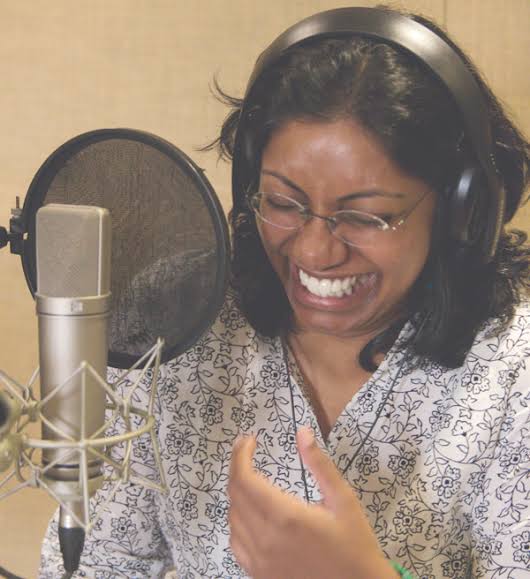
“… Right now, very few independent artists are making money from streaming, and most of their income comes from live events.”
7. Don’t you think that are some loose ends to be dealt with in the Indian indie music industry?
What keeps the Indian indie music scene from being a full-blown industry is that there is no real cohesiveness. Everything is very siloed unlike the Bollywood music industry which has so much money and marketing behind it that it generates huge amounts of revenue and success. Right now, very few independent artists are making money from streaming, and most of their income comes from live events. Which isn’t particularly sustainable considering most venues and promoters don’t pay much and don’t pay on time. However, with better management, more independent labels cropping up as well as streaming platforms doing more to promote artists on their apps, hopefully it’s going to become more lucrative as well as open up global opportunities for Indian artists.
However, while indie musicians still struggle in this country to release their music regularly, what I hope for is that Maed in India continues to be a place where artists continue to share their experiences and songs on the show.
8. A truly great initiative! From “Maed In India Live” to “Maed Mixtapes” to “Maed Merch” what are we expecting in 2020?
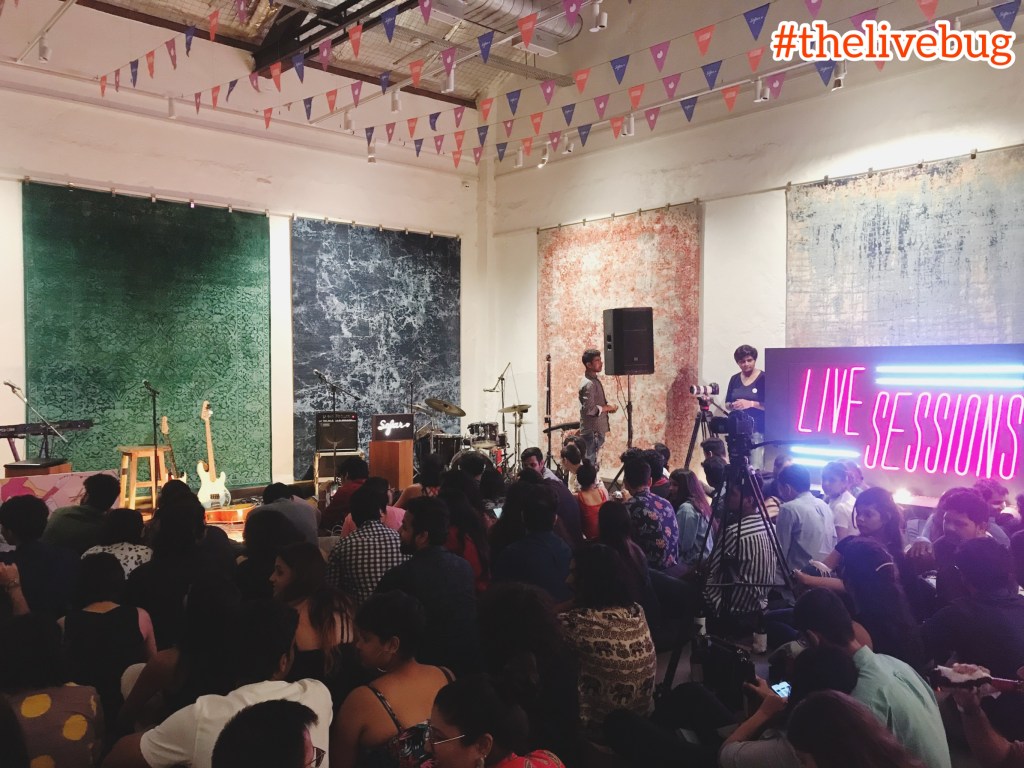
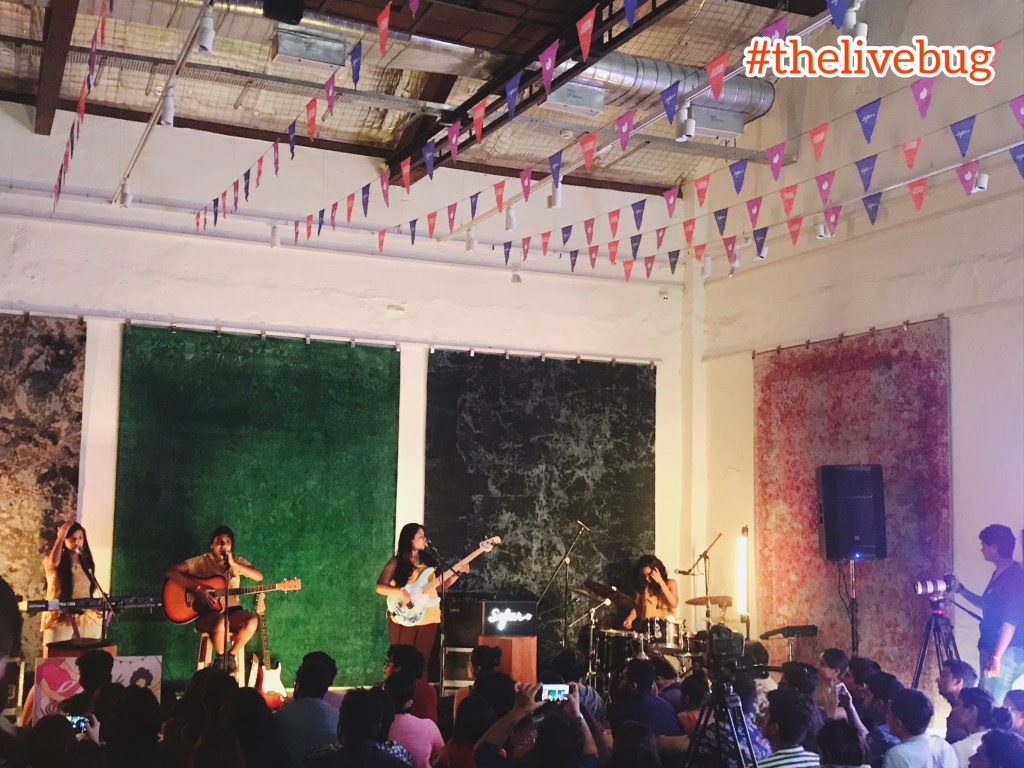
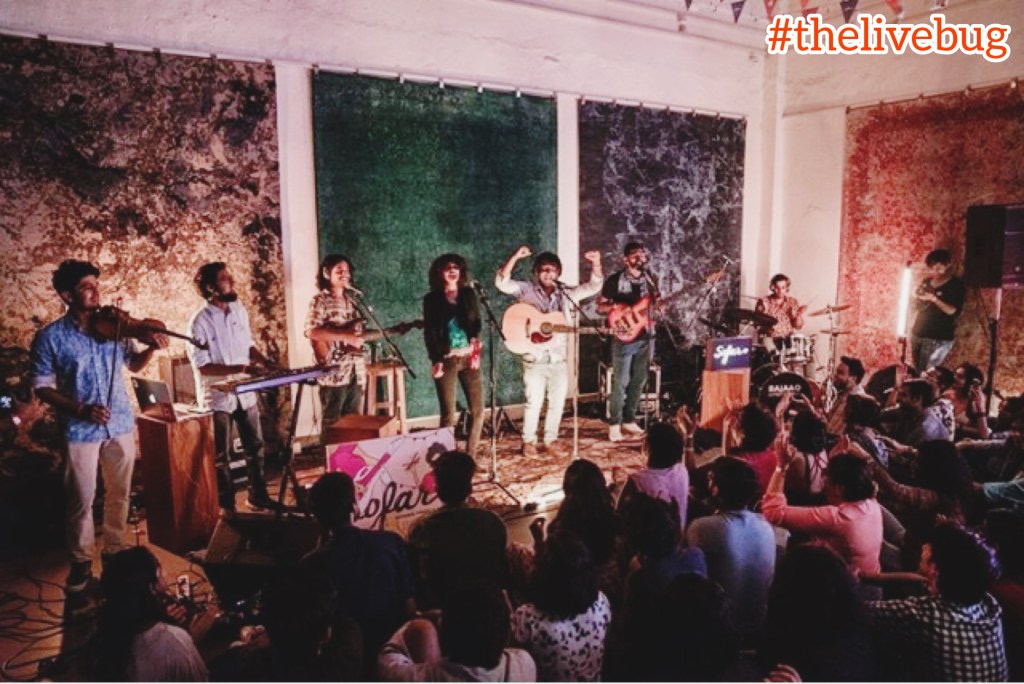
I am so excited you asked this question! So yes, I’m so excited that I’ve had the chance to do so much with the podcast – take it from studio to stage, created video for the show, and launched a merchandise store. And because I get so much new music from all over the country, on Maed in India, every month I release a Mixtape of music that you must check out.
So for 2020, I have a bunch of things I’m looking forward to tell you about, one of which is that I am celebrating my 200th episode of Maed in India! Which is releasing in the first week of January. So huge achievement for me. I also have some special plans to showcase an all-ladies month in March with women who’ve never featured on the show before.
And we might even be reviving the Maed in India Live events. Maybe. Shoosh…
9. Wow that’s some news! For the record, who is Mae Thomas off the mic?
Well, off the mic, I’m pretty much the same mad-hatter. And now that I’ve started my own podcast company, I am very preoccupied with growing my work in the podcast space…
10. Your ‘brain feed’ for up and coming artists and podcasters?
So for new artists, the internet is your greatest tool to put your music out there. Also, ask people for help, the more people that you can rally around you that can provide you with the best advice for your music, production, live events, PR, marketing, social media, distribution, monetisation, etc, please go for it. It will all help you and add value to what you’re trying to pursue as an artist.
And for podcasters, Before you record anything, before you switch on your mic, make sure you have a great idea. Talk to your closest friends and see if you get the, “Gosh I want to listen to that”. Also, always do a test pilot of your show. It helps you understand what your show will sound like, help you navigate making it sound better and troubleshoot all your problems. So, when you start production on your show, you have made your mistakes, solved them and created a formula for your show to follow.
If you loved what you read, please share this article and subscribe to the page (click on trace the bug) to receive more indie updates.
COPYRIGHTS RESERVED 2019
GUEST CREDITS
Mae Thomas:
Twitter: https://twitter.com/maebemaebe
Instagram: https://www.instagram.com/maemariyam/
AUTHOR CREDITS
Nigel D’souza:
Twitter: https://twitter.com/nigeldsouza__
Instagram: https://www.instagram.com/nigeldsouza_/

 The Live Bug